c. 7000 BC
Mesolithic settlement
Hunter-gatherer communities were established after the last Ice Age. Archaeological evidence, including Mount Sandel in County Derry, records some of the island's earliest known settled activity.
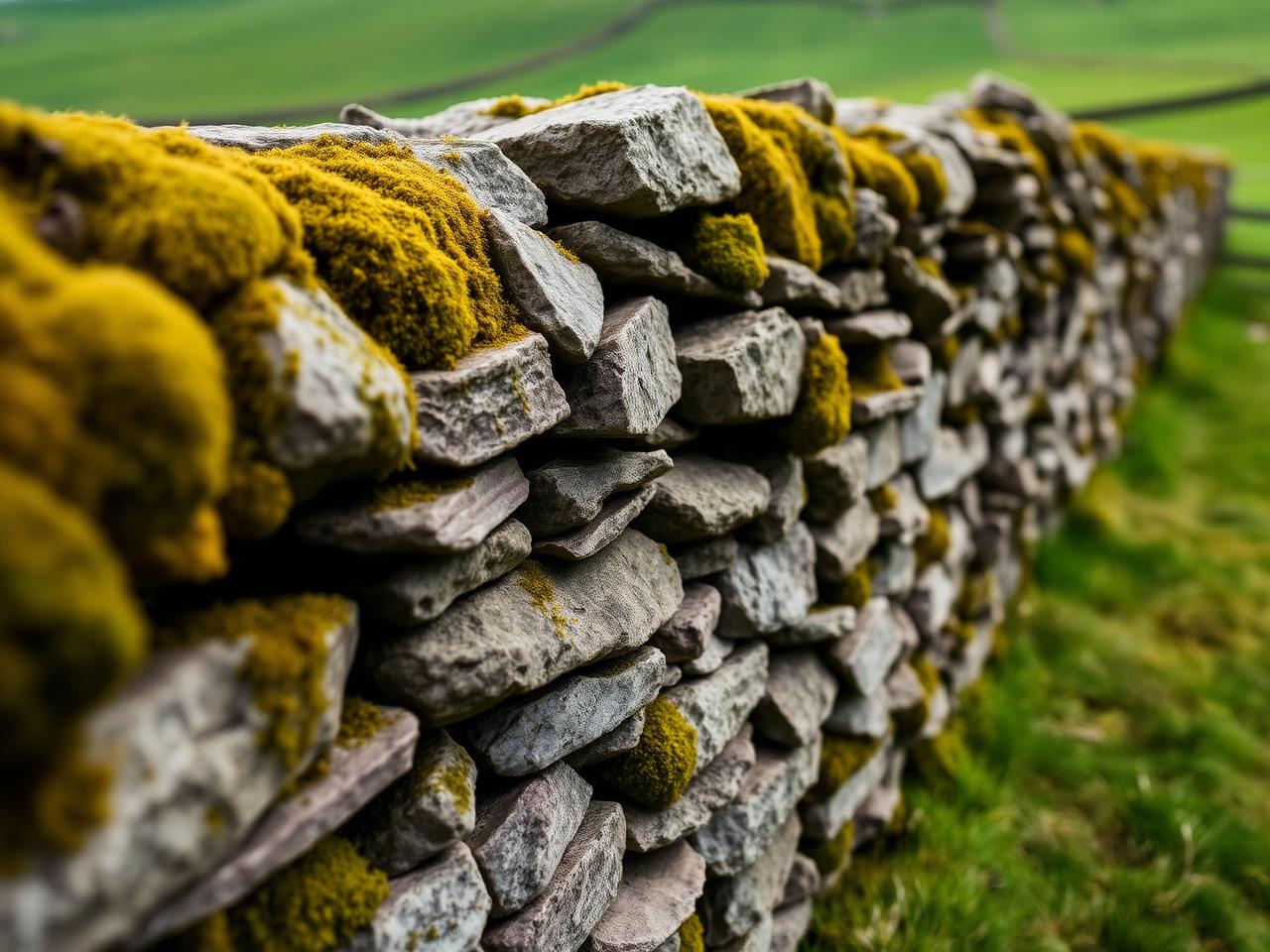
From the first settlements to modern Ireland
A clear chronological guide to the people, cultures, conflicts and decisions that shaped Ireland—and carried its story across the world.
Research by era
Dates marked “c.” are approximate. The timeline distinguishes political change from later memory and avoids treating legend as documentary fact.
Era 1 · c. 7000 BC–AD 795
Ireland's first communities, monumental landscapes and learned Christian culture developed long before a single Irish state existed.
c. 7000 BC
Hunter-gatherer communities were established after the last Ice Age. Archaeological evidence, including Mount Sandel in County Derry, records some of the island's earliest known settled activity.
c. 4000–2500 BC
Neolithic farmers cleared land, kept livestock and built monumental tombs. Newgrange, constructed around 3200 BC, was aligned with sunrise at the winter solstice.
c. 500 BC–AD 400
Early Irish, a Goidelic Celtic language, became dominant. Ireland was organized among many kingdoms and kin groups, governed through customary law rather than one central crown.
5th–8th centuries
Christian communities expanded through figures including Patrick, Brigid and Colum Cille. Monasteries became centres of worship, scholarship, metalwork and manuscript culture connected to Britain and continental Europe.
Era 2 · 795–1169
Raiding gave way to settlement and trade, while Irish kings continued to compete for regional power and the high kingship.
795
A raid on Rathlin Island opened a new era of attacks on monasteries and coastal settlements. Norse groups later founded enduring ports and trading towns.
841
A fortified longphort was established at Dublin. It developed into a major Hiberno-Norse town linked to Atlantic and European trade networks.
1014
Brian Bóruma's coalition defeated the forces of Leinster and their Norse allies. Brian was killed, and the battle did not unite Ireland, but it became one of the defining events in Irish historical memory.
Era 3 · 1169–1534
The arrival of Cambro-Norman forces began centuries of English crown involvement, but authority remained uneven and cultures repeatedly blended.
1169–1171
Forces invited by the deposed Leinster king Diarmait Mac Murchada landed in 1169. Henry II followed in 1171 to assert royal authority over his expanding subjects and Irish rulers.
1177
English royal government developed around Dublin, while Anglo-Norman lordships and Gaelic kingdoms controlled much of the island under changing alliances.
1315–1318
Edward Bruce invaded with Scottish forces and Irish allies, seeking to open another front against England. His campaign ended with defeat and death at Faughart.
1366
The colonial parliament tried to prevent English settlers from adopting Irish language, law and customs. The legislation reveals how extensively communities had already mixed.
15th century
Crown authority contracted around Dublin's Pale. Gaelic and Gaelicised dynasties governed most territories, while the FitzGerald earls became exceptionally powerful within the lordship.
Era 4 · 1534–1691
Reformation, military conquest and land confiscation transformed government, ownership and religious power across Ireland.
1541
The Irish parliament declared Henry VIII King of Ireland. Tudor governments pursued central control, surrender and regrant, religious reform and eventually military conquest.
1594–1603
Hugh O'Neill, Hugh Roe O'Donnell and their allies challenged English expansion. Victory at the Yellow Ford in 1598 was followed by defeat after Kinsale and the submission of the northern lords.
1607–1609
The departure of leading Ulster lords was followed by organized plantation using settlers chiefly from Britain. Landholding, towns, religion and political power were permanently altered.
1641–1653
The 1641 rising led into Confederate government and the Wars of the Three Kingdoms. Cromwellian conquest brought mass death, displacement and a sweeping transfer of Catholic-owned land.
1689–1691
Supporters of James II fought William III's forces in a European dynastic war centred in Ireland. The Boyne, Aughrim and the Treaty of Limerick secured Williamite victory and Protestant political dominance.
Era 5 · 1695–1900
An unequal confessional order was gradually dismantled, but union, hunger and emigration reshaped Ireland and spread Irish communities worldwide.
1695–18th century
A succession of laws restricted Catholic—and at points Presbyterian—participation in politics, education, professions, arms and secure property ownership. Enforcement varied, but the system protected Protestant Ascendancy power.
1798
Inspired by Atlantic republicanism, the United Irishmen sought a non-sectarian republic. Rebellion and counterinsurgency caused widespread violence before the rising was defeated.
1801
Ireland's parliament was abolished and the island entered the United Kingdom of Great Britain and Ireland, represented thereafter at Westminster.
1829
A mass movement led by Daniel O'Connell helped secure the right of Catholics to sit in parliament and hold most public offices, though social and economic inequality remained.
1845–1852
Potato blight destroyed the subsistence crop through repeated failures. Around one million people died and roughly one million emigrated amid inadequate relief and the continuing export of food.
1879–1903
Tenant organization, political pressure and successive Land Acts weakened landlord control and enabled many occupiers to purchase farms, fundamentally changing rural ownership.
Era 6 · 1893–1949
Language, sport and literature helped renew national identity before political conflict divided the island and created an independent Irish state.
1893–1913
The Gaelic League, Gaelic Athletic Association, Irish literary revival, labour movement and nationalist organizations made culture and sovereignty central public questions.
1916
Rebels seized positions in Dublin and proclaimed an Irish Republic. The rising was defeated in a week, but executions and arrests transformed public opinion.
1919–1921
Elected separatist representatives formed the first Dáil and declared independence. Guerrilla war between the IRA and British forces ended in a truce and treaty negotiations.
1921–1923
Northern Ireland was established under the 1920 Government of Ireland Act. The Anglo-Irish Treaty created the Irish Free State, while disagreement over its terms led to civil war.
1937
A constitution approved by referendum named the state Éire, or Ireland, and created an elected presidency while asserting a stronger form of sovereignty.
1949
The Act came into force on 18 April, describing the state as the Republic of Ireland and ending its remaining external association with the British monarch.
Era 7 · 1955–present
The republic moved from relative isolation toward international partnership, major social change and a peace settlement built on consent.
1955
UN membership widened Ireland's diplomatic role. Irish personnel began serving in UN peacekeeping operations in 1958, establishing a long international tradition.
1973
Ireland joined the EEC alongside the United Kingdom and Denmark. Membership expanded markets, funding and political cooperation and later developed into European Union membership.
1968–1998
Conflict in Northern Ireland involved republican and loyalist paramilitaries, British security forces and deep political division. More than 3,500 people were killed.
1998
Approved by voters north and south, the agreement created power-sharing and cross-border institutions and affirmed that Northern Ireland's constitutional status rests on majority consent.
2002
Ireland completed its currency changeover from the punt to euro cash, reinforcing its place within European economic and political institutions.
Today
Ireland is a parliamentary republic, an EU member and home to Irish and English as official languages. Its culture and history also belong to a global diaspora numbering many millions.
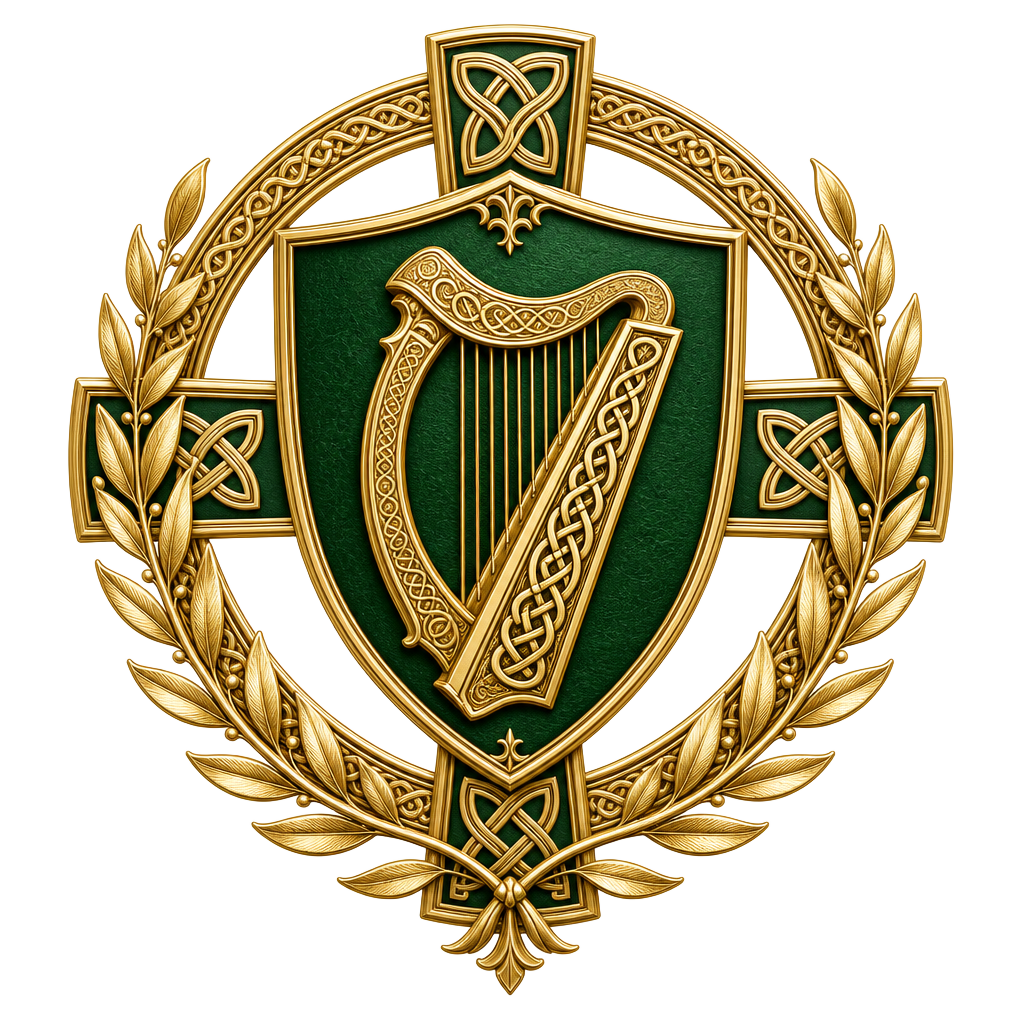
The Stone by Stone heritage seal
The cláirseach at the heart of this crest represents Ireland’s musical inheritance, cultural endurance and worldwide voice. The stone circle honours the generations who built, protected and carried that history forward—one life, one place and one story at a time.
The Heritage Checkers Table
Play red against the computer on a tournament-style eight-by-eight table. Captures are compulsory, multiple jumps are completed in one move, and pieces are crowned on the far rank. Choose a welcoming beginner, a steady average opponent or the deeper-looking pro.
You 12 · Computer 12
Your move — red
A keepsake from the worldwide timeline
Presented by Stone by Stone to readers who approach Ireland’s long history with honour, appreciation and care. Personalise this commemorative certificate, then save or share it directly from your device.
Signature style
Stone by Stone · Irish History Worldwide
Certificate of Respect
Honour · Appreciation · Remembrance
This certificate is presented in recognition of a thoughtful journey through the Worldwide Irish History Timeline and a sincere regard for the people, cultures, hardships and achievements that shaped Ireland and its global family.
Presented with respect to
Your name
Continue the story
The main history explores the language, battles, famine, farms, diaspora, music, art and everyday culture behind these dates in greater detail.